Isomorphic Design in Practice

Overview
This project involved designing and fabricating a 6” x 6” relief tile using a CNC mill. The process began with creating a detailed 2D grayscale image in Adobe Illustrator, where variations in gray tones were used to simulate depth. This image was then converted into a 3D heightfield model using Imagetostl.com and prepared for CNC milling using Z Carve software. The final output was a physical tile milled on the ShopBot CNC machine.
The assignment explored the concept of isomorphism, demonstrating how the same information—grayscale values—can exist in both 2D and 3D forms. Through this process, I learned how to translate digital design into physical form, troubleshoot technical issues, and reflect on the relationship between form, information, and media. The project emphasized both technical execution and conceptual thinking, bridging computational design with hands-on fabrication.
Design Process
Inspiration
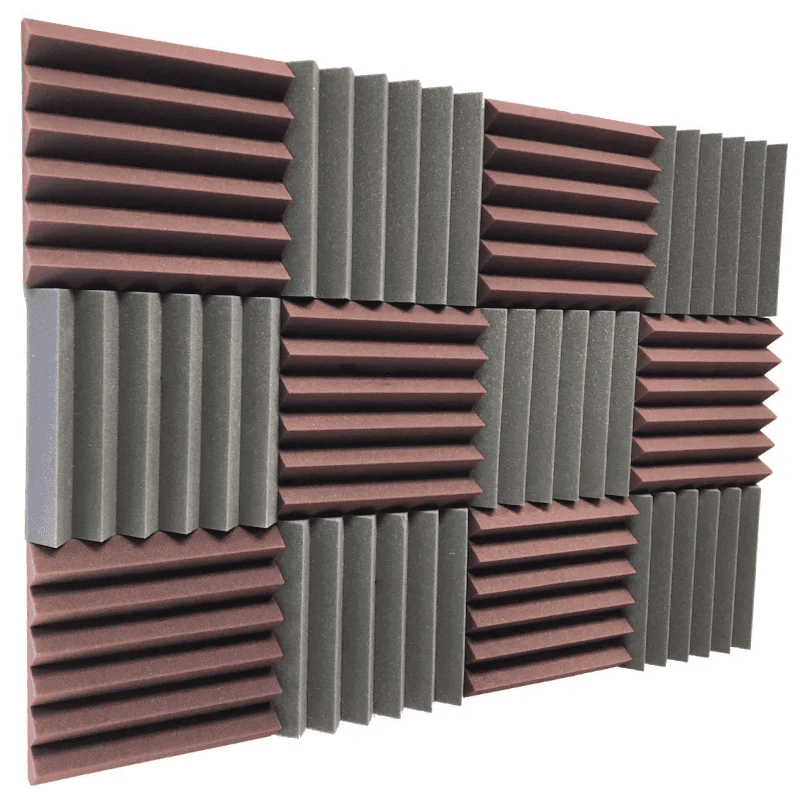
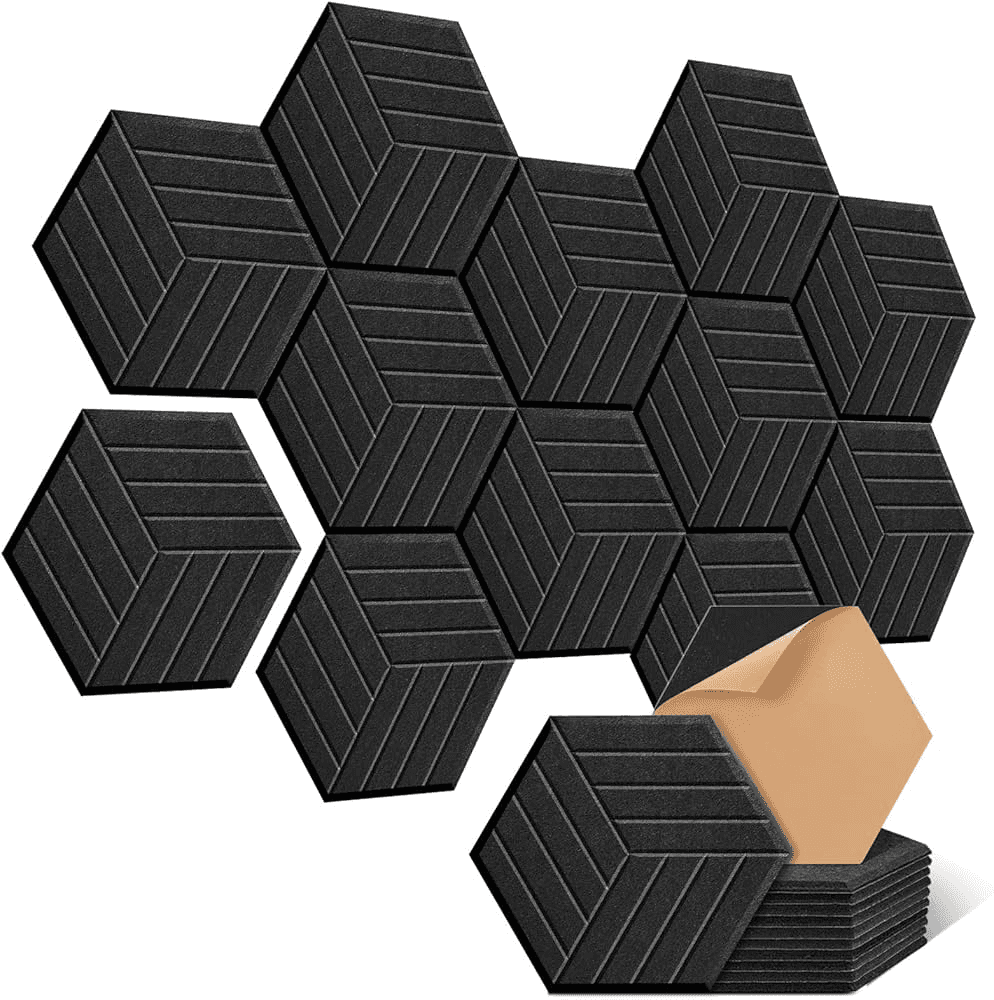
I wanted to base my isomorphic design off a tessellation and cubes. I also took inspiration from acoustic foam panels meant to absorb sound. The pattern I would like to make is to be repeatable, similar to acoustic panels.


2D Process: Grayscale Image
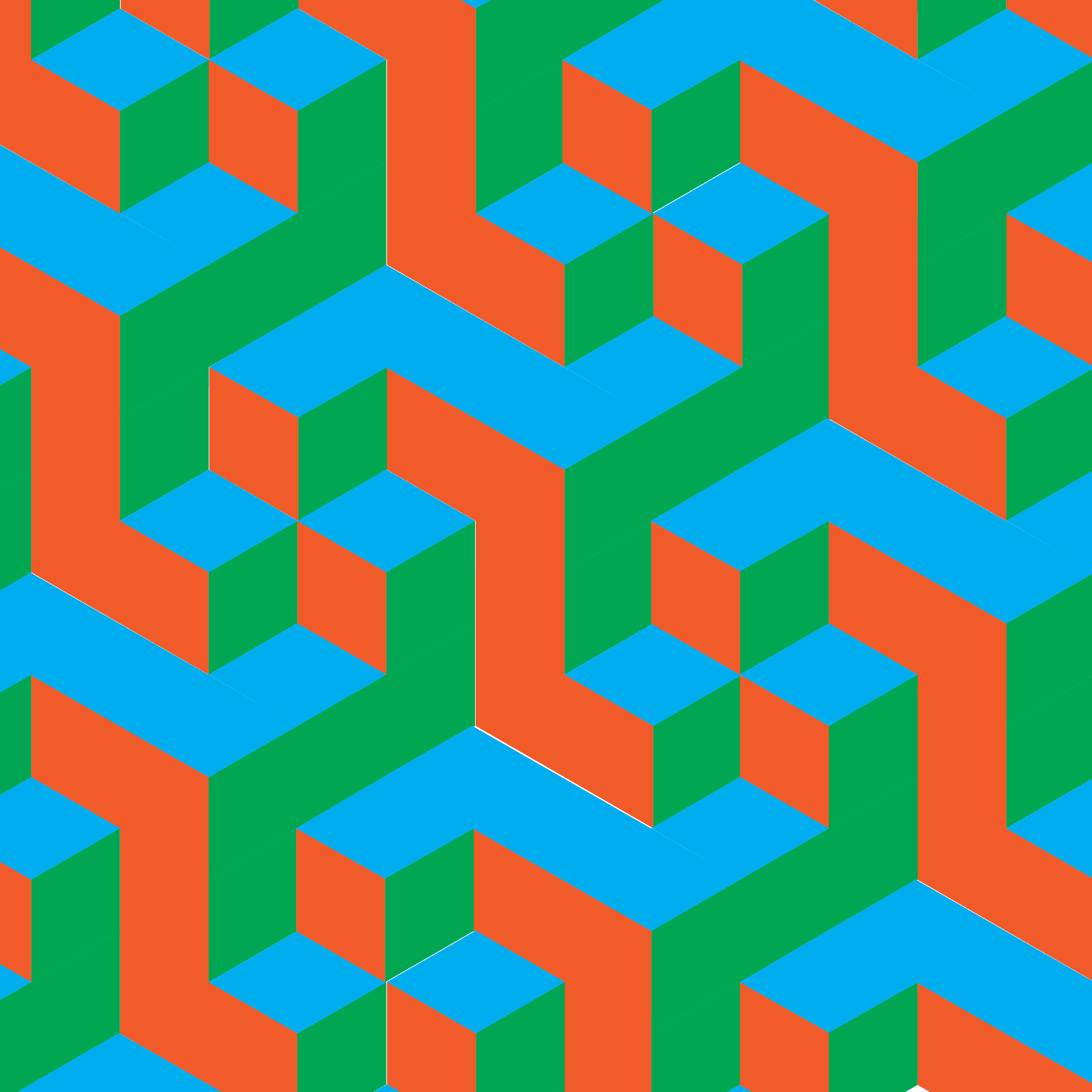
I created this pattern using the previous images in the inspiration section as a guide using. I like how the box tessellation resembles puzzle pieces, making it easy to turn into a repeatable pattern that could add texture and depth if adhered to a wall.
To understand how the shaped looked and which direction each face was pointed, I used three colors to define each axis.

During the creation of the 2D grayscale image, I went through five iterations; experimenting with how gradients would affect the 2D grayscale as it translates into 3D. After the third 2D grayscale iteration, I found that I needed to apply the gradients at a 45° angle on each face of the shape to get the desired 3D effect—previously, I had been adding the gradients parallel to each face. This proves how specific visual techniques impact the clarity of data translation across mediums. I was losing the depth effect by applying the gradients in parallel. I exported the 2D grayscale image a few times to see how the gradients translated into the 3D form. Finding out how to correctly apply the gradients, I was able to accurately represent the digital image into a physical form.


3D Process: CNC Relief Tile
I used Image To STL to convert my 2D grayscale image into a 3D file that the CNC router could read. The CNC router had a few technical problems however. Calling ShopBot twice for assistance on their program that controls the CNC machine, I was left to leave a voicemail each time. They never called me back (even as I write this, weeks later).
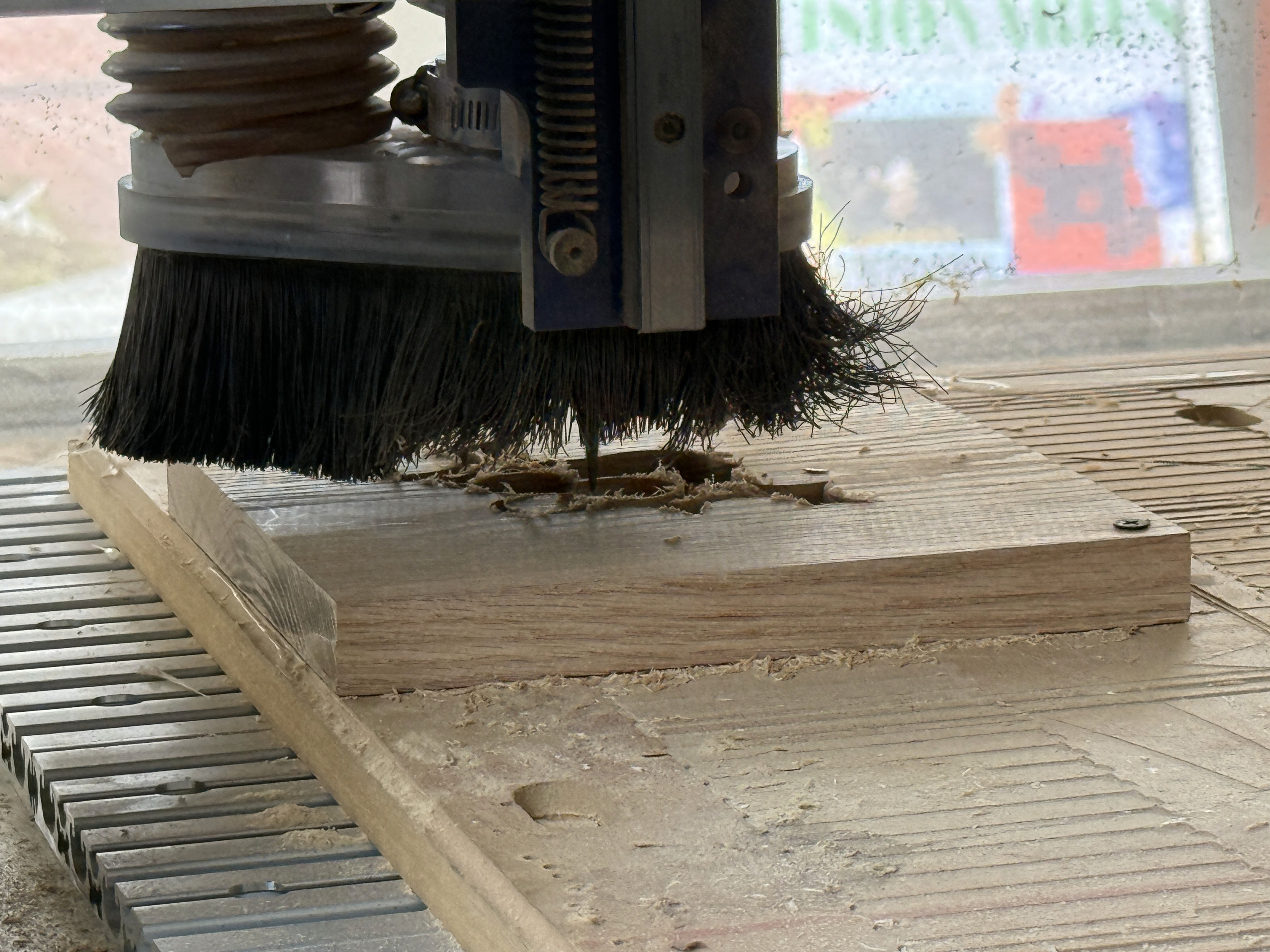
After speaking with my professor and troubleshooting the issue, we attempted to cut the model I created. However, after 30 minutes, the CNC router stopped unexpectedly. I suspected that the problem was caused by the computer going to sleep, which interrupted the communication with the CNC router—something that hadn’t happened with the previous computer setup. This turned out to be the issue. I restarted the file, but the second attempt was also unsuccessful.

Since the CNC router failed to work correctly, but still wanting to see the 3D representation of the 2D grayscale design, I 3D printed the tile to visualize the final form on my 3D printer. This proved successful as I was able to see how the completed 3D model related to the 2D grayscale image I had made.

Reflection
Isomorphism, in design, refers to the idea that different forms or media can convey the same underlying information or structure. In this project, isomorphism is demonstrated through the transformation of a 2D grayscale image into a 3D relief tile. Although the 2D image and the 3D model are visually and physically different, they share the same information—depth and form, encoded in grayscale values, are then translated into physical height. This project shows how information can be preserved and expressed across dimensional changes, highlighting the connection between digital design and material output.
The 2D grayscale image used light (white) areas to represent height and darker (black) areas to represent depth; light is represented in higher elevation where dark translates to lower elevation. Just as the lighter areas in the 2D image appear to pop forward visually, the 3D model translates those light and dark values into physical elevation, making that information tangible. The depth of the physical form is directly shaped by the values in the 2D grayscale image. Both forms communicate shape, depth, and pattern, but in different mediums: visual vs. tactile. While the 2D image conveys depth through visual contrast, the 3D tile allows that same information to be physically felt—turning visual cues into spatial ones.

Despite the differences in media (screen vs. wood/plastic) the data structure (grayscale values vs. height) remains consistent. Isomorphism allowed one file to serve dual roles: a visual design and a fabrication blueprint. This project questioned how much of a design lies in its form versus the data behind it.

This process showed me that good design is not just about how something looks, but how effectively it communicates its underlying structure, regardless of form or medium. The transition from a 2D grayscale image to a 3D relief tile demonstrated that the same design information can exist across different formats while still retaining the same meaning. It made me more aware of the importance of designing with clarity and intention.