Project Summary
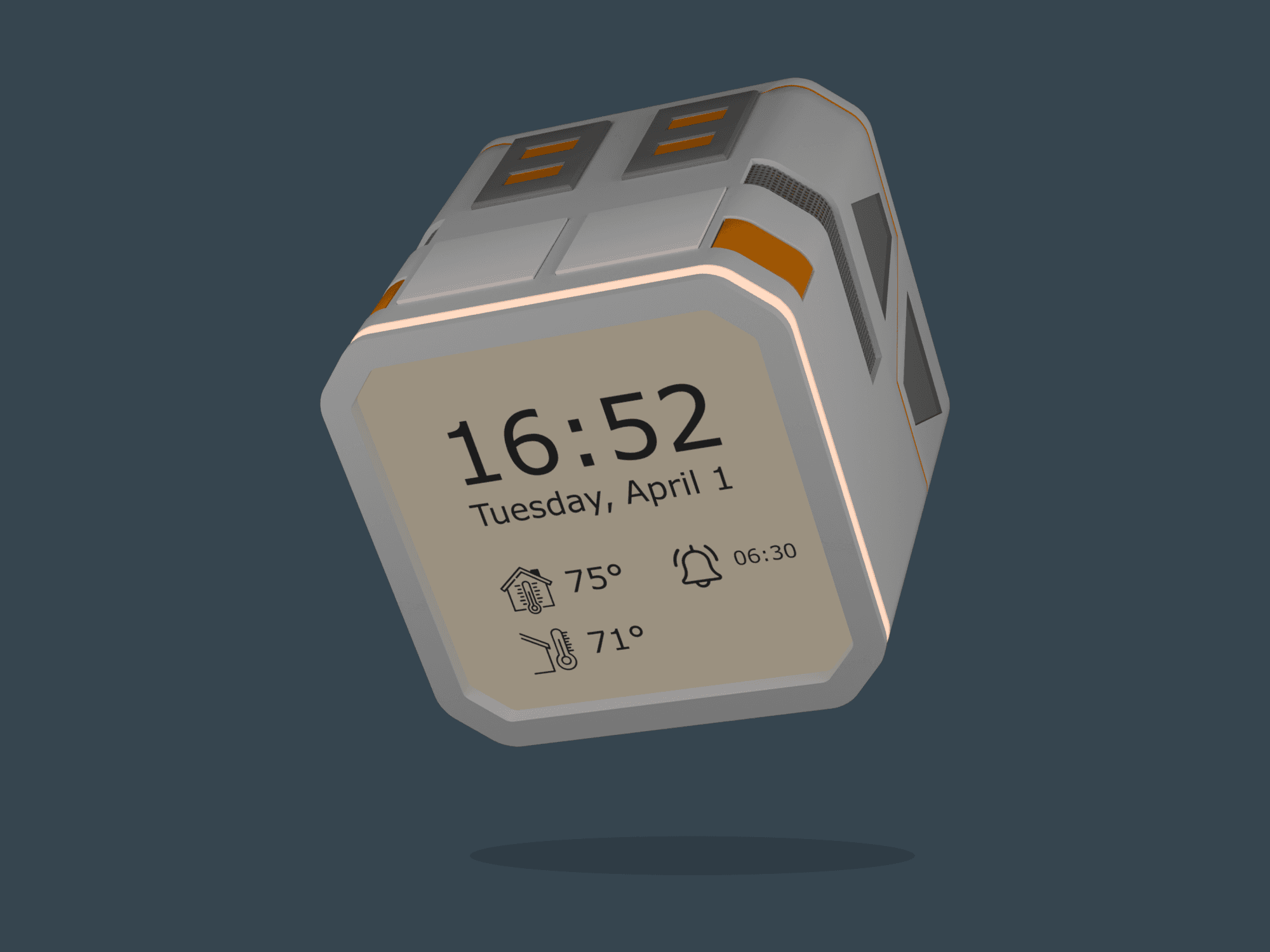
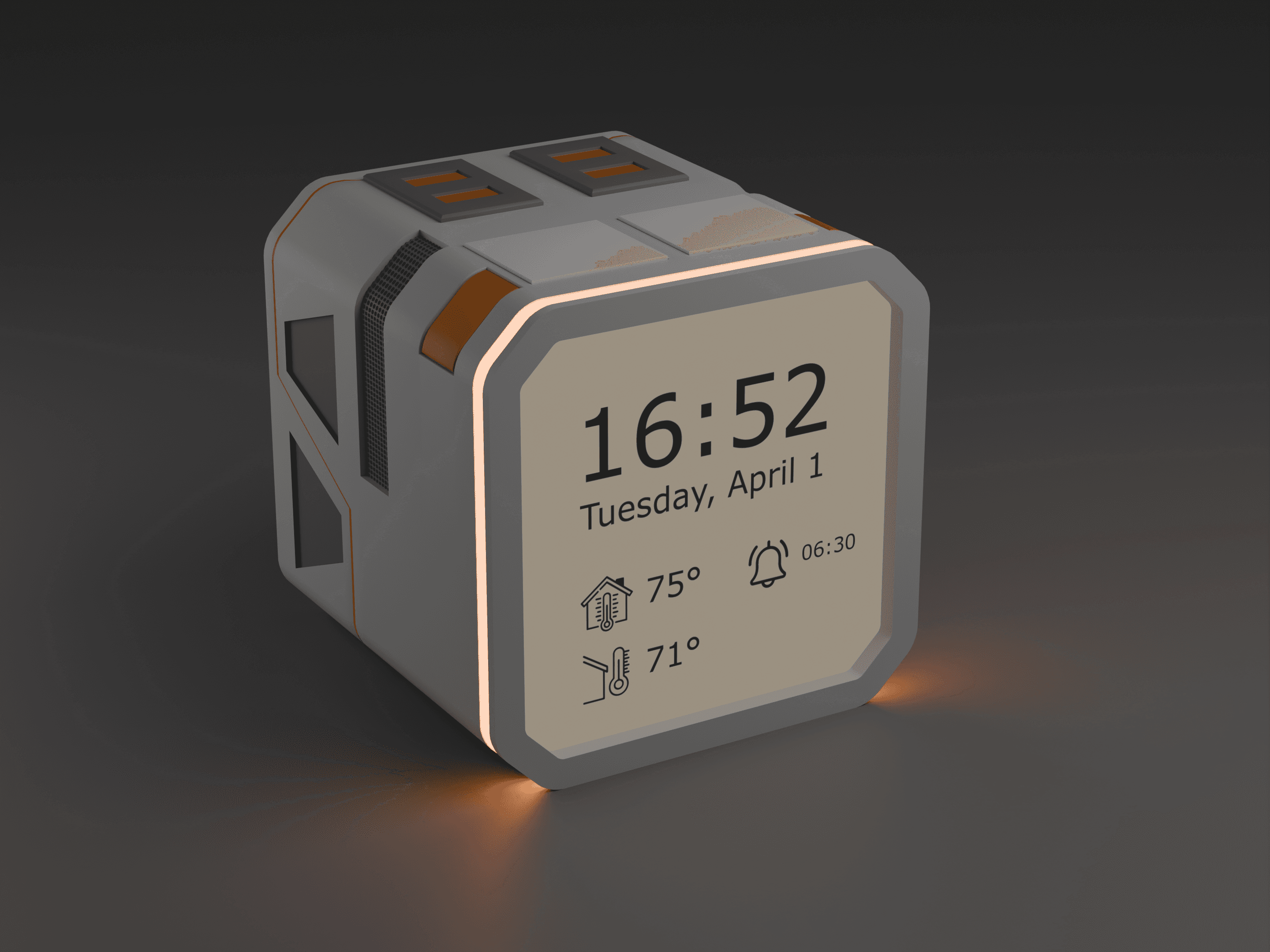
Eclipse is a sci-fi-inspired alarm clock designed to help users reduce screen time and build healthier sleep routines. By combining ambient light, gentle vibration, sound, and smart home integration — all controlled through physical interaction — Eclipse replaces the need for a phone at bedtime.
Created for young, tech-savvy users overwhelmed by digital distractions, Eclipse promotes restful sleep and intentional mornings through a calm, screen-free experience.
Problem Statement
People who use their phones as alarm clocks often struggle to disconnect at night, leading to poor sleep habits and screen-induced anxiety. Eclipse addresses this by providing a calming, screen-free alternative that supports restful sleep.
How might we replace smartphone alarms with a calming solution that encourages restful sleep, wellness, and peace of mind?
The Solution
Eclipse is a space-inspired sleep assistant designed to restore healthy bedtime rituals through soft technology and gentle interactions.
Target Audience / User Persona

Name: Aiden Tran
Age: 24
Occupation: UX Design Student
Location: Los Angeles, CA
Personality: Curious, creative, slightly anxious, late-night thinker
Goals
Build healthier sleep habits and reduce phone use at night
Wake up with a sense of clarity, not chaos
Reclaim mornings for themselves (instead of TikTok and Instagram)
Feel in control of their time and attention
Likes
Lives in a small apartment with a minimalist vibe
Obsessed with sci-fi: everything Star Wars and likes Battlestar Galactica
Inspired by NASA, retro-futurism, and Dyson product design
Uses smart home devices (Hue lights, HomePod mini), but ironically hates how "plugged in" they are
Pain Points
Doomscrolls until 1 AM, then regrets it
Uses phone as an alarm, but ends up checking Instagram and Discord
Sleep feels disrupted — can't wind down mentally
Has tried mindfulness apps but finds them... too complicated
Finds most alarm clocks ugly or outdated
User Research
Harm sleep habits: Looking at a screen combined with not winding down can harm sleep habits and not give the mind time to relax. Link
Sleep procrastination: Phones give an opportunity for sleep procrastination. Link
Easy to oversleep: Phones make an easy snooze button.
Research
Disrupts the circadian rhythm: Sleep procrastination and active brain.
Improved mental well-being: Starting and ending the day without immediate exposure to emails, social media, or news alerts can reduce stress and promote a sense of calm.
80% reach for their phone: People reach for their phone first thing in the morning, and many looked at their phone as the last thing they did before going to sleep (TechRadar).
Market Research
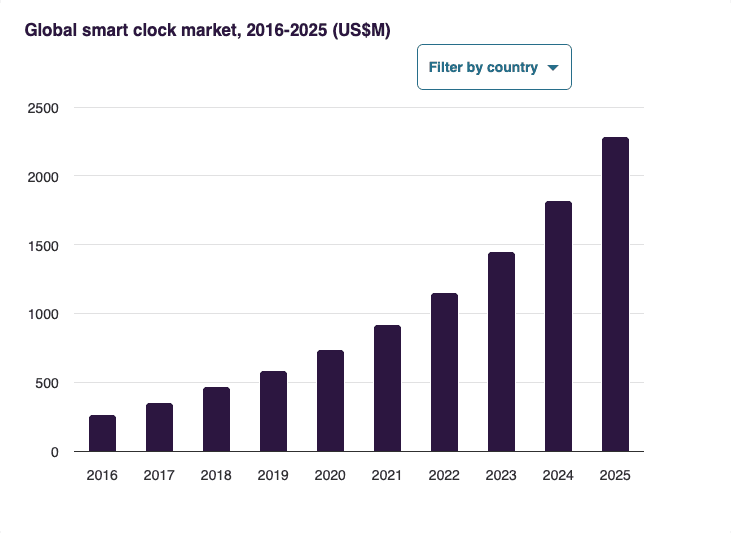
Competitive Analysis
Smartphone Alarms
(iPhone, Android)
Pros: Feature-rich, convenient.
Cons: Highly distracting, promotes screen time, triggers doomscrolling.
Basic Alarm Clocks
(Sony ICF-C1, IKEA FILMIS)
Pros: Simple, affordable, no screen distractions.
Cons: Outdated design, limited features, poor usability.
Wellness-Focused Smart Clocks
(Hatch Restore, Philips SmartSleep, Vivilumens)
Pros: Sunrise simulation, ambient sounds, improved UX.
Cons: Overly complex, app-dependent, limited tactile controls.
Smart Displays & Assistants
(Echo Spot, Echo Show)|
Pros: Smart home integration, custom alarms.
Cons: Screen-based, notification overload, may do too much.
Eclipse
Screen-free experience — no blue light, no distractions
Smart home integration — but through physical controls
Sci-fi inspired form — user-focused design
Multi-sensory interaction — light, vibration, sound
Customizable routines — without relying on apps
Unique market position — futuristic, tactile, and calm
Prototype: Key Features
Avoids screen-based interactions with physical buttons.
Uses ambient light, vibration, and sound to ease transitions between sleep and wakefulness.
Seamlessly connect to lights and smart devices to create a fully automated bedtime and morning routine.
Technology That Gives You Space
Why Use Tech to Reduce Tech?
Not about removing technology, but about redesigning our relationship with it.
Smartphones are multi-purpose, notification-heavy, and addictive
Why a Smart Clock?
Rather than rejecting tech entirely, Eclipse uses it responsibly — limiting interaction, reducing distractions, and promoting wellness.
It offers physical, tactile interaction with minimal interface — giving users control without pulling them back into the screen-based world.
Smart home integration is done through buttons, not apps, so it enhances routine without hijacking attention.
Impact & Future Considerations
Potential Market Impact
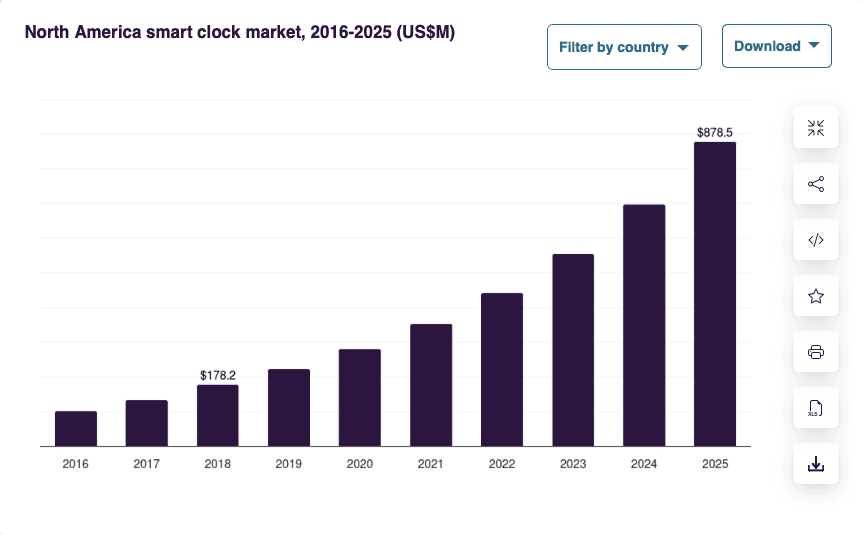
Fills a niche in the smart clock space by offering a touch screen-free, tactile, and sci-fi-inspired alternative to phone-based sleep routines.
Appeals to a growing audience of tech-savvy users seeking intentional wellness tools and digital detox solutions.
Encourages a shift toward calmer, focused devices that prioritize health and well-being over multi-functionality.
User Impact
Helps users break phone addiction habits tied to bedtime and morning routines.
Encourages healthier sleep cycles and improves mental clarity through light, sound, and vibration—not screens.
Empowers users to control their smart environment without needing to engage with their phones.
Future Development Ideas
Companion web or mobile app for personalized settings and data sync (optional after setup).
Additions like a CO₂ or smoke detector, expanding functionality without overwhelming the core purpose.
Explore temperature dial control or motion sensing for gesture-based interaction.
Develop aesthetic variations (colors, finishes) to better fit a wider range of home styles.
Conclusion
Eclipse reimagines the alarm clock as a calming, alternative to phone-based sleep routines. Inspired by sci-fi aesthetics, it uses gentle light, sound, and tactile interaction to help users disconnect from distractions and reconnect with themselves.
By addressing both the emotional and physical impact of phone addiction at night, Eclipse offers a new kind of tech — one that promotes rest, intention, and peace of mind.